The Painted Monasteries of Bucovina: Romania’s Most Underrated UNESCO Sites
Ask most travelers to name a UNESCO World Heritage Site in Romania, and they’ll draw a blank — which is exactly the appeal of Bucovina’s painted monasteries. These 15th- and ...
Eventa
Ask most travelers to name a UNESCO World Heritage Site in Romania, and they’ll draw a blank — which is exactly the appeal of Bucovina’s painted monasteries. These 15th- and 16th-century Orthodox monasteries, tucked into the forested hills of northeastern Romania, are covered — inside and out — in vivid fresco paintings that have survived nearly 500 years of weather. Nowhere else in Europe has anything quite like them.
What Makes Them So Unusual
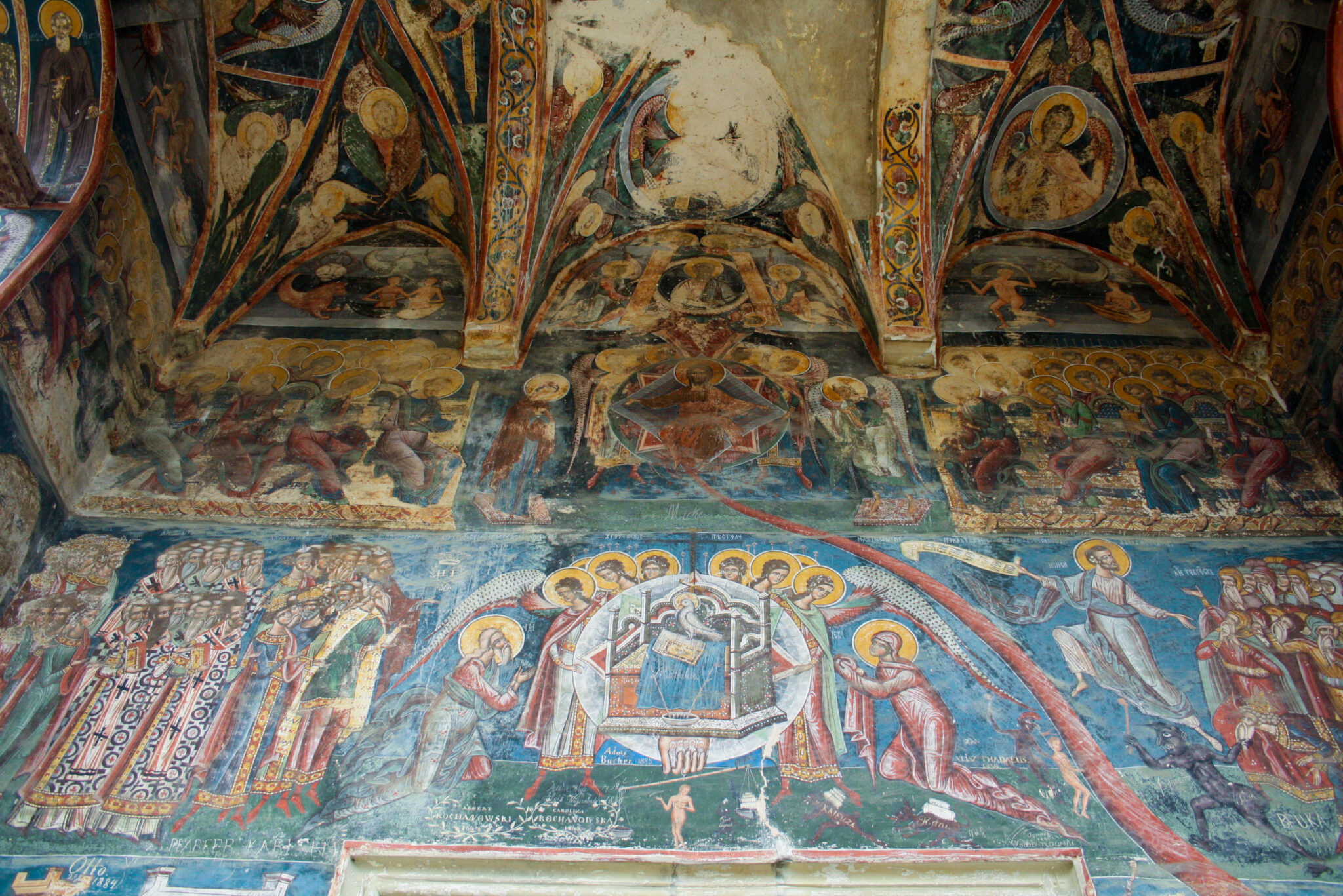
Most churches decorate their interiors with religious art. Bucovina’s monasteries painted their exterior walls as well — full biblical scenes, saints, and elaborate narrative cycles covering every visible surface, originally intended so that villagers who couldn’t read could still “read” the scripture from outside the church. The pigments, especially a distinctive deep blue used at Voronet, have proven remarkably resistant to fading, which is part of why UNESCO inscribed several of these monasteries as World Heritage Sites in 1993.
The Monasteries Worth Visiting
Voroneț is the most famous, often called the “Sistine Chapel of the East.” Its western wall depicts a dramatic Last Judgment scene, and the specific shade of blue used throughout is so distinctive it’s referred to internationally as “Voroneț blue.”
Moldovița is notable for its Siege of Constantinople fresco — a rare depiction of a specific historical event rather than only biblical scenes — and for being one of the better-preserved exterior fresco cycles overall.
Sucevița has the most extensive fresco coverage of any of the painted monasteries, including a striking “Ladder of Virtues” scene, and its fortified walls (higher and more castle-like than the others) reflect its role as a defensive structure as well as a religious one.
Humor is smaller and less visited than the others, which makes it worth including if you want a quieter stop — its Last Judgment fresco is considered one of the finest in the region, and it lacks the crowds that gather at Voroneț in peak season.
How to Actually Visit Them
The monasteries are spread across a rural area, roughly 30–60 minutes apart by car, which makes a self-drive or guided day tour the practical way to see more than one. Most itineraries base in or near Gura Humorului, a small town central to all four main monasteries, and visit 2–3 in a day rather than rushing all of them.
Practical notes:
– Dress code: These are active monasteries, not museums — shoulders and knees should be covered, and some require a wrap or skirt for women (usually available to borrow at the entrance if needed).
– Photography: Exterior photography is generally allowed; interior photography is often restricted or requires a small fee — check signage at each site.
– Best time to visit: Late spring through early autumn offers the best light for viewing the frescoes and easier travel on rural roads; the monasteries are open year-round, but some access roads can be affected by snow in deep winter.
Why This Region Gets Overlooked
Bucovina sits far enough from Transylvania’s main circuit (Brașov, Sibiu, Sighișoara) that many first-time visitors skip it entirely in favor of a shorter, more castle-focused trip. That’s a reasonable choice if you only have a week — but if you have 10+ days, the painted monasteries offer something genuinely different from the rest of the country’s highlights, without the crowd pressure of Bran Castle or Peleș.
Frequently Asked Questions
How many painted monasteries should I visit? Two to three gives a good sense of the variety (Voroneț for the famous blue frescoes, Sucevița for scale, Humor for a quieter alternative) without monastery fatigue setting in.
Are the monasteries still active religious sites? Yes — several are working convents with resident nuns, which is part of why modest dress is expected and some interior areas may have limited visiting hours.
Can I visit Bucovina as a day trip from Transylvania? Not realistically — it’s a genuine detour (roughly 4–5 hours from Brașov or Sibiu), which is why it’s typically built into a longer, dedicated itinerary rather than a side trip.
The painted monasteries are a core stop on our “Transylvania and the Painted Monasteries of Bucovina” tour, which combines them with the medieval towns of Transylvania and the Bicaz Gorges for a complete look at the region. See the full itinerary →
Related Articles
Eventa Travel
Top Castles to Visit in Transylvania
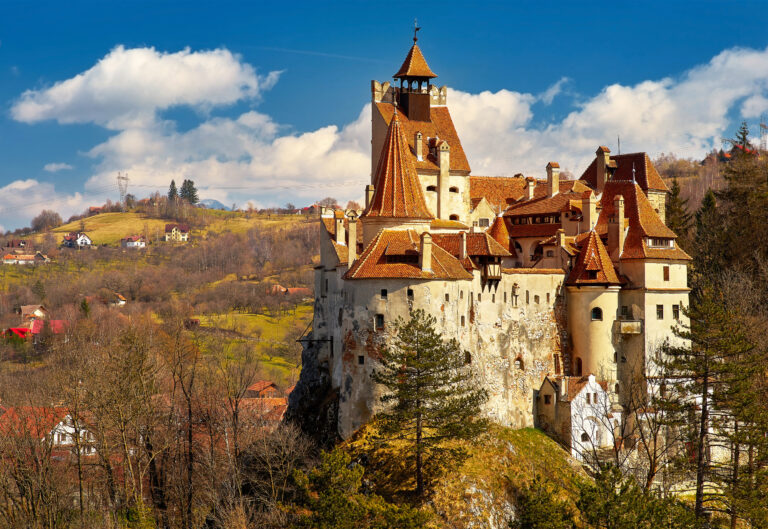
Top Castles to Visit in Transylvania Are you looking for a destination that combines breathtaking landscapes, fascinating history, warm hospitality, and authentic experiences? If so, Romania should be at the ... Read More: Top Castles to Visit in Transylvania
Eventa Travel
Self-Drive Romania: Everything You Need to Know Before You Rent a Car
Self-driving is one of the best ways to see Romania — the country rewards travelers who can stop at a roadside monastery or a mountain overlook on a whim, rather ... Read More: Self-Drive Romania: Everything You Need to Know Before You Rent a Car
Eventa Travel