Is Bran Castle Really “Dracula’s Castle”? The Truth — and Why It’s Still Worth Visiting
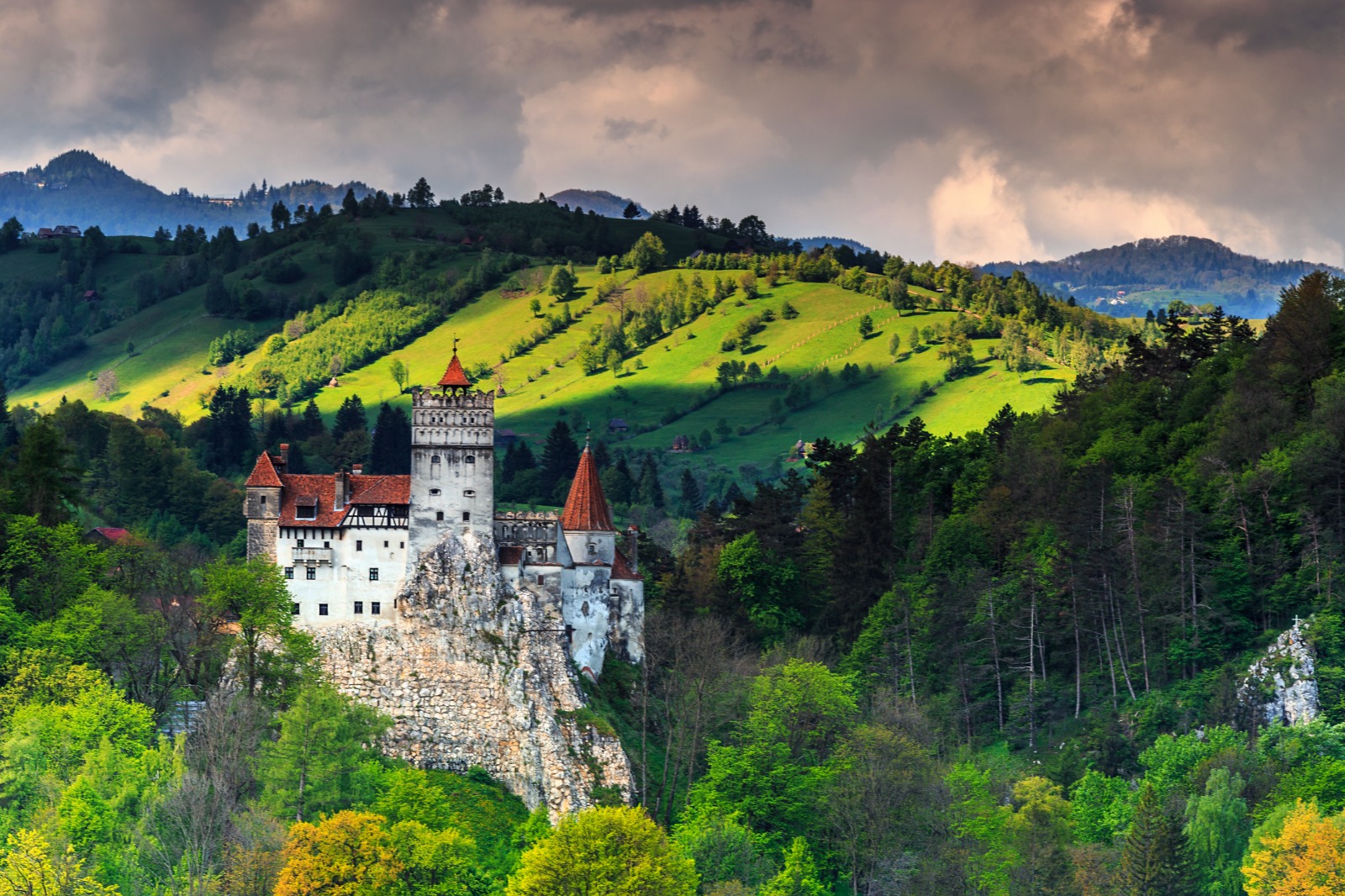
If you’ve searched “Dracula’s Castle” while planning a trip to Romania, you’ve almost certainly landed on Bran Castle. It’s the image most people picture when they think of Transylvania: turrets ...
Eventa
If you’ve searched “Dracula’s Castle” while planning a trip to Romania, you’ve almost certainly landed on Bran Castle. It’s the image most people picture when they think of Transylvania: turrets rising out of the forest, framed by mountains. But the real history is more interesting than the legend — and once you know it, Bran Castle (and the region around it) becomes an even better reason to visit.
The Short Answer
No, Bram Stoker never visited Bran Castle, and there’s no solid evidence he even knew of its existence when he wrote Dracula in 1897. Stoker built his fictional castle from research and imagination, loosely describing a fortress in the Carpathians — a description that later got matched, after the fact, to Bran Castle because it fit the imagery so well.
The connection that is real, but more indirect: Stoker’s Count Dracula was partly inspired by Vlad III, “Vlad the Impaler,” a 15th-century Wallachian prince known for his brutal methods against invading Ottoman forces. Vlad has a genuine — if brief and disputed — historical link to Bran Castle; some historians believe he may have been imprisoned there for a short time, and possibly passed through it during military campaigns. It’s a real connection, just a much smaller and more historically murky one than the legend suggests.
So Why Is Bran Castle Still Worth Visiting?
Because it’s a genuinely striking piece of medieval architecture with a real, separate history, regardless of the Dracula association.
- It was a strategic fortress, built in the 14th century by Saxon merchants to guard a key mountain pass and collect trade tolls between Wallachia and Transylvania.
- It later became a royal residence. Queen Marie of Romania restored and lived in the castle in the early 20th century, and much of what you see and walk through today — including a charming interior courtyard and furnished rooms — reflects that era, not medieval Wallachia.
- The setting alone justifies the visit. Bran sits in a genuinely dramatic position at the edge of the Carpathians, and the surrounding town and countryside — including the excellent Zărnești bear sanctuary nearby — make it easy to build a full day around the castle rather than just a quick photo stop.
What You’ll Actually See There
Inside, expect narrow spiral staircases, a real medieval courtyard, and rooms furnished in early-20th-century royal style rather than gothic horror-movie decor — which surprises some first-time visitors. The Dracula tie-in is present (a few exhibits nod to the legend, and the surrounding market sells its share of vampire souvenirs), but it’s a minority of what the castle actually offers.
Other Castles Worth Pairing With Bran
If the legend is what draws you but the history is what will stay with you, it’s worth combining Bran with:
- Peleș Castle (Sinaia) — a genuinely opulent 19th-century royal castle, and arguably more architecturally impressive than Bran.
- Poenari Fortress — the far more historically accurate “Dracula’s castle,” since this ruined fortress on a mountaintop was Vlad III’s actual stronghold. It requires a steep climb (1,480 steps) and sees a fraction of Bran’s visitors.
- Corvin (Hunyadi) Castle (Hunedoara) — a dramatically restored Gothic-Renaissance castle with its own dungeon legends, unrelated to the Dracula story but visually one of the most striking castles in Romania.
Frequently Asked Questions
Is Vlad the Impaler buried at Bran Castle? No. His burial site is disputed, but the most commonly cited location is Snagov Monastery near Bucharest — not Bran.
How long should I plan for a Bran Castle visit? 1.5–2 hours for the castle itself, plus time in the small market outside. Most itineraries pair it with Brașov (25 minutes away) as a half-day or full-day combination.
Is Bran Castle touristy? Yes, especially in peak summer — it’s the single most-visited site in Transylvania. Visiting early morning or combining it with a guided tour that times entry around the tour-bus crowds makes a noticeable difference.
Curious about the real Vlad the Impaler sites, not just the legend? Our “Following Count Dracula” tour traces his actual historical footprint — from Bran and Poenari to Curtea de Argeș and Snagov Monastery — across an 8-day guided route through Wallachia and Transylvania. See the full itinerary → Following Count Dracula: A Transylvanian Adventure – Tour – Eventa Travel
Related Articles

Eventa Travel
Is Bran Castle Really “Dracula’s Castle”? The Truth — and Why It’s Still Worth Visiting
If you’ve searched “Dracula’s Castle” while planning a trip to Romania, you’ve almost certainly landed on Bran Castle. It’s the image most people picture when they think of Transylvania: turrets ... Read More: Is Bran Castle Really “Dracula’s Castle”? The Truth — and Why It’s Still Worth Visiting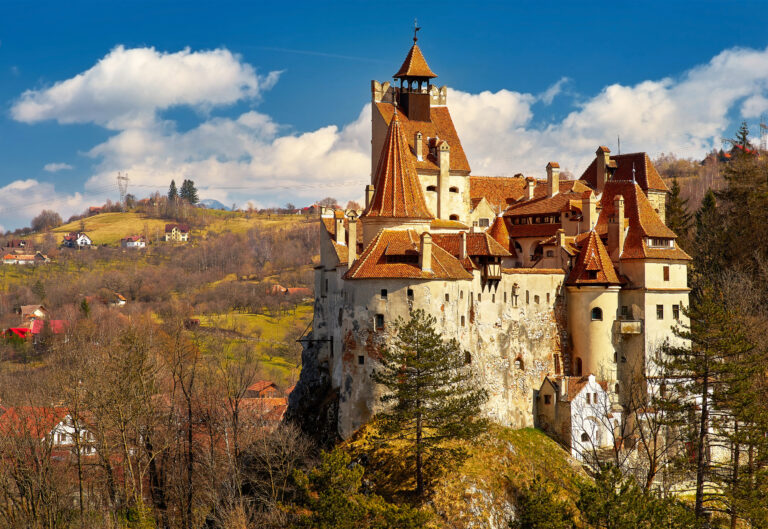
Eventa Travel
Top Castles to Visit in Transylvania
Top Castles to Visit in Transylvania Are you looking for a destination that combines breathtaking landscapes, fascinating history, warm hospitality, and authentic experiences? If so, Romania should be at the ... Read More: Top Castles to Visit in Transylvania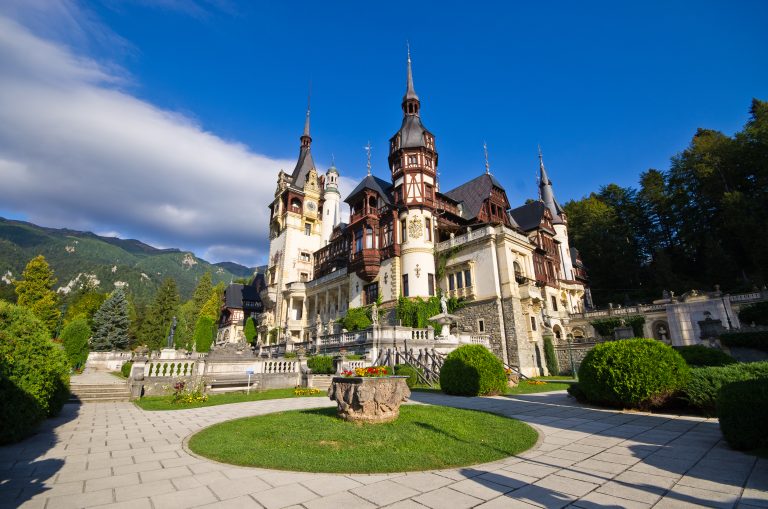
Eventa Travel